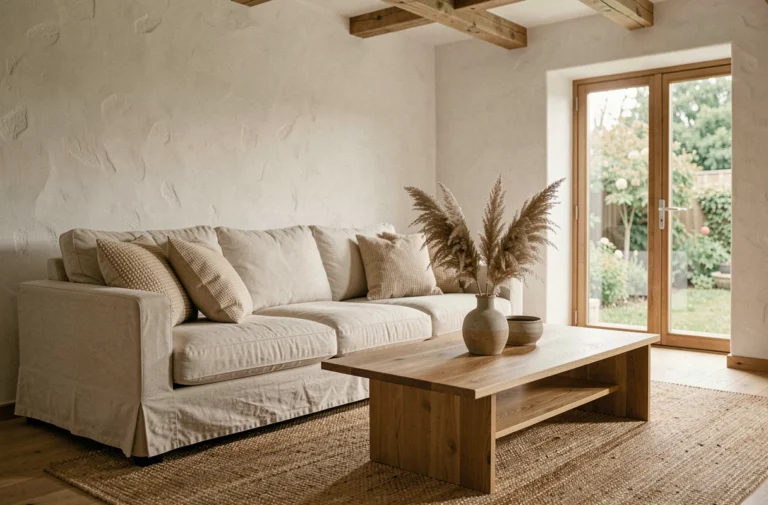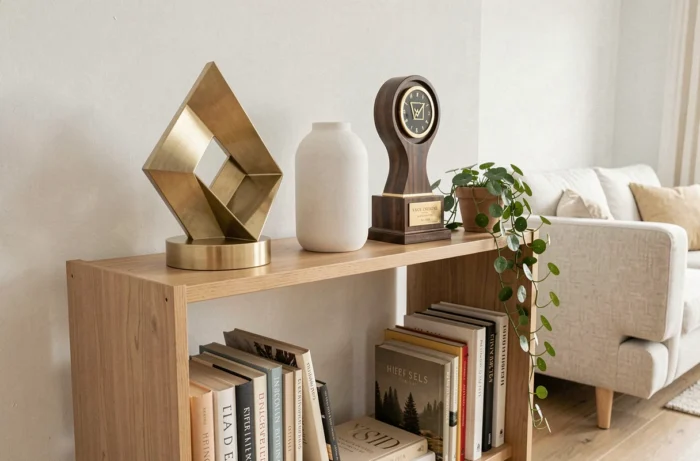
The decorative wall trophy has little in common with the dusty hunting piece hanging in a manor hallway. In recent years, manufacturers have been offering animal heads made of resin, geometric metal, or matte polyresin, designed without the use of taxidermy. These decorative objects serve a specific role in an interior: they create a focal point on a wall, structure a vertical space, and add depth where a frame would remain flat.
Geometric Metal Wall Trophies: Why They Are Taking Over Wall Décor
The classic competitors of decorative trophies (resin, cardboard, plush) have been around for a long time. The segment that has shown the most significant growth since 2024 is that of geometric metal animal wall trophies. Customizable in size, sometimes delivered in multiple parts to assemble, they target both graphic design enthusiasts and fans of natural decoration.
Their success is due to three concrete factors. Laser-cut metal allows for very precise animal silhouettes (deer, bear, wolf) with a contemporary look that does not fall into kitsch. The matte black or aged brass finish pairs well with both a white wall and wood paneling. And the weight remains moderate, allowing for simple screw mounting without heavy anchors.
The so-called “natural folk” trend, which combines stylized animal motifs, sustainable materials, and a handmade look, supports this category. Specialized brands like those listed on tropheesdelamaison.com gather these variations to help choose according to the room and desired style.
Resin, Polyresin, Wood: Which Material for What Effect in Your Interior
The material of a decorative trophy determines its visual rendering, weight, and durability. Confusing these parameters often leads to a disappointing purchase.
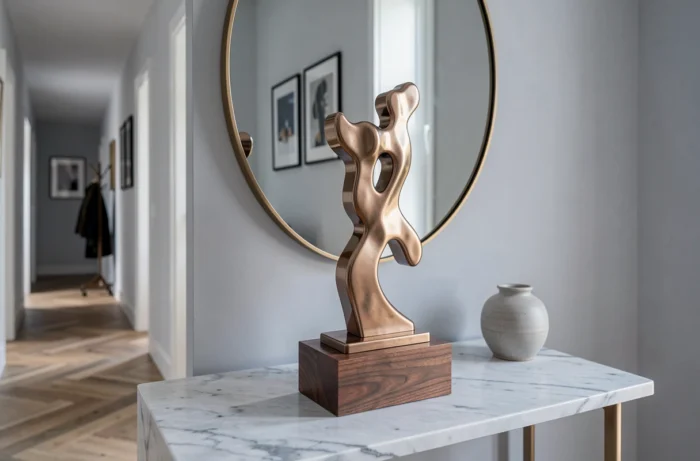
- Sculpted resin faithfully reproduces anatomical details (antlers, fur texture). Patinated copper or bronze models are suitable for interiors with ethnic or bohemian influences. Resin is sensitive to direct impacts but withstands the ambient humidity of a living room well.
- Matte polyresin is lighter and less fragile. It lends itself to large formats (deer heads over 40 cm) without weighing down the wall mounting. Its smooth, almost mineral appearance works well in Scandinavian or minimalist decorations.
- Wood (cut, sculpted, or assembled) brings a warmth that synthetic materials cannot replicate. Light wood versions (beech, birch) fit well in children’s rooms or bright spaces. Burnt or dark-stained wood versions lean towards an industrial style.
None of these materials surpass the others in absolute terms. The choice depends on the target room, the available viewing distance, and the natural lighting of the wall.
Positioning and Staging of the Decorative Trophy in the Room
Hanging a wall trophy in the center of a large white wall rarely produces the expected effect. The object appears to float, disconnected from the rest of the decor. A few staging principles can change the perception.
Height and Proportion Relative to Furniture
A trophy placed too high loses its visual impact. The central axis of the trophy should be between 150 and 170 cm from the floor, at eye level. Above a piece of furniture (buffet, console, shelf), leaving a vertical space of at least 20 cm avoids a crushing effect.
Association with Other Wall Objects
The trophy works better when integrated into a wall composition. A black metal deer framed by two narrow shelves filled with plants creates a cohesive ensemble. A bronze resin bull skull placed above a round mirror establishes a symmetry axis that structures the wall.
On the other hand, multiplying trophies on the same wall dilutes their impact. One trophy per wall is enough to create a focal point. If you wish to install several in the same room, distribute them across different walls with distinct materials or styles.
Customized and Humorous Trophies: The Rise of a Segment in Decoration
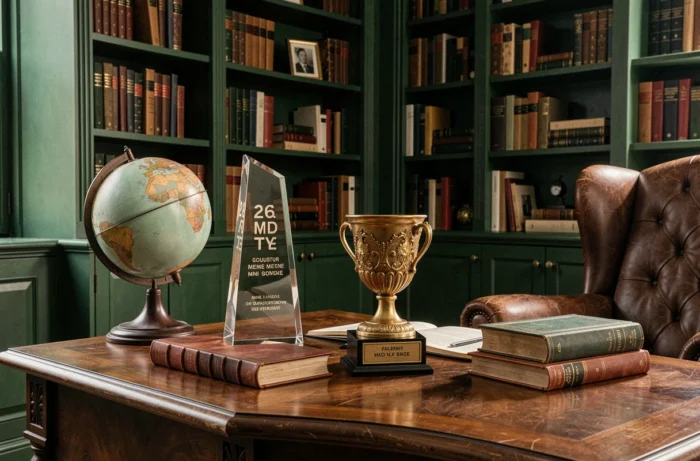
The market for personalized wall objects is experiencing growth driven by social media and the demand for hyper-individualization. “Trophies for the biggest sleeper,” wall plaques with messages, or decorative medals twist the codes of the classic trophy to create conversation pieces.
This segment combines humor, retro visuals, and personalization (name, date, message). Field feedback varies on the decorative longevity of these objects: some tire of them after a few months, while others see them as lasting identity markers of their living space.
The interest in interior decoration is to combine a “serious” trophy (geometric metal, patinated resin) with a humorous piece in another area of the house. The kitchen, entryway, or office are well-suited for these quirky objects, while the living room or bedroom benefit from remaining with more streamlined pieces.
The decorative trophy is not a trivial accessory. Its material, size, and placement alter the reading of an entire wall. Choosing a trophy that fits the style of the room is as important as selecting a light fixture or flooring. Current models, whether made of cut metal, sculpted resin, or raw wood, offer enough variations so that no room is doomed to a bare wall.