
Preparing a meal that pleases everyone at the table without spending the whole evening on it is the challenge for most everyday cooks. Delicious recipes don’t need to be complicated to make an impression. A few well-chosen ingredients, controlled cooking, and precise seasoning are often enough to transform an ordinary dish into a moment of sharing.
Building a delicious dish with everyday ingredients
Have you ever noticed that a simple pasta gratin can become memorable with the right cheese and a hint of nutmeg? The indulgence in cooking relies less on the rarity of ingredients than on how they are combined.
Take roasted chicken. Alone, it nourishes. Rubbed with smoked paprika, garlic in its skin, and a drizzle of olive oil, then cooked on a bed of potatoes, it delights. The difference lies in three gestures, not thirty ingredients.
The same principle applies to vegetables. Sautéed zucchini with a splash of soy sauce and sesame seeds change the game. They go from bland side dish to a dish that is requested again. Browsing all the recipes from La Cuisine de Watoote, you quickly spot this logic: simple bases enhanced by a detail that makes the difference.
To anchor this approach, always keep a few natural flavor enhancers on hand:
- Grated parmesan or comté, which add umami to any gratin, soup, or pasta dish
- Tomato paste, sautéed for a few seconds in oil before adding liquid, for a deeper sauce
- White miso, diluted in broth or vinaigrette for a round flavor without added salt
- Brown butter, obtained by heating butter until golden, perfect on fish or roasted vegetables
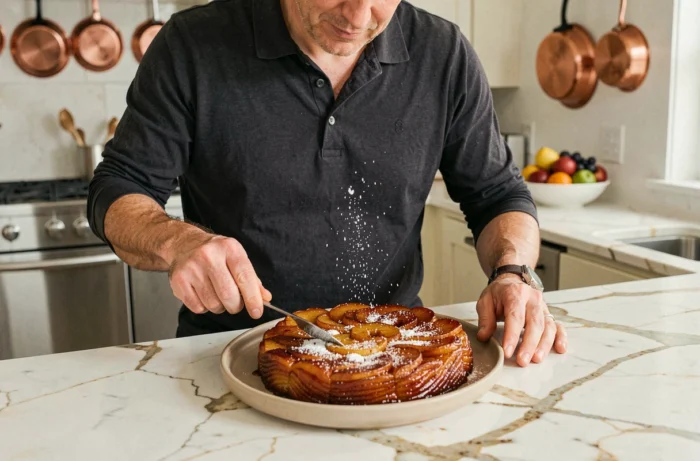
Recipes of the week: organizing meals without monotony
One of the traps of everyday life is the rotation of the same five dishes. Monday’s gratin, Tuesday’s pasta, Wednesday’s soup. After a few weeks, boredom sets in and the temptation for industrial ready-made meals grows.
Planning weekly menus breaks this cycle. The idea is not to plan everything down to the minute, but to set three or four main dishes on Sunday evening, varying the food groups.
A concrete example: Monday, a coral lentil curry with coconut milk. Wednesday, a leek and goat cheese quiche. Friday, a chicken stir-fry with crunchy vegetables. On Tuesday and Thursday, we cook leftovers or improvise with what’s lying around in the fridge.
Varying textures rather than recipes
When inspiration runs low, changing the texture of a familiar ingredient reignites interest. The potato exists as mashed, rösti, gratin, warm salad, or homemade gnocchi. Five different dishes from the same vegetable.
This approach also works with chocolate for dessert. A fondant, a mousse, a crumble, a ganache over fruits: the base is the same, the result changes each time.
Homemade cooking and budget: the real indulgent calculation
Data from Insee shows that in 2026, food prices continue to rise slightly year-on-year, with particular pressure on fresh products. UFC-Que Choisir confirms this trend with food inflation measured at around +1.6% over twelve months at the end of August 2026.
In this context, homemade cooking is not a luxury but a direct savings lever. A homemade pesto pasta dish (basil, garlic, parmesan, olive oil, pine nuts) costs a fraction of its jarred equivalent. The taste is incomparable.
Delicious and economical recipes: some guidelines
The most cost-effective reflex is to cook plant proteins one to two times a week. Lentils, chickpeas, and dried beans are inexpensive, store well, and provide a solid base for complete meals.
A coral lentil dhal with basmati rice feeds four people for just a few euros. Add cumin, turmeric, and a spoonful of coconut cream: the dish becomes indulgent without inflating the bill.
Seasonal vegetables play the same role. In autumn, a butternut squash velouté with curry costs less than a packet of dehydrated soup and provides a far more flavorful result.
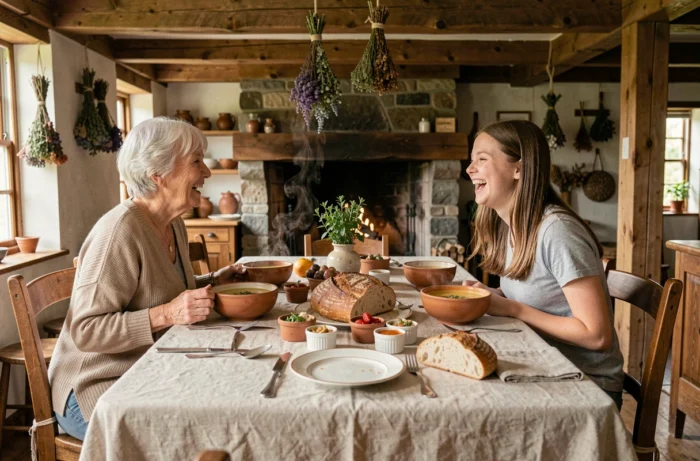
Family dishes that please both children and adults
Delighting the whole family means finding the common ground between children’s tastes and adults’. This point almost always exists in shareable dishes: gratins, savory tarts, pasta dishes, galettes.
A cherry tomato, mozzarella, and basil tart pleases all generations. It can be prepared in under thirty minutes if you use store-bought puff pastry. The trick: brush the bottom with mustard before topping, to add character without deterring sensitive palates.
Involving children in preparation
A child who has rolled out the dough or arranged the vegetables is more likely to enjoy the result. It’s also a moment of transmission that gives meaning to the meal.
The recipes best suited for cooking with four hands are those that tolerate approximation: cookies, crumbles, homemade pizzas. No need for precision down to the gram. The child participates, and the dish remains successful.
Indulgent desserts without hassle
Dessert often crystallizes the fear of failure. Elaborate pastries require equipment and precision. For everyday life, it’s better to focus on short and forgiving recipes.
The chocolate fondant perfectly illustrates this principle. Five ingredients, fifteen minutes of preparation, ten minutes of cooking. The result impresses every time, even when the center remains gooey by accident.
Seasonal fruits roasted in the oven with a bit of honey and cinnamon offer a lighter alternative. In autumn, poached pears in vanilla syrup elegantly finish a family meal without excessive effort.
Everyday indulgence ultimately comes down to simple choices repeated with care. A good product, just the right cooking, an adjusted seasoning. The rest is shared pleasure around the table.