
When booking a flight to Lisbon or Bangkok in the middle of August, you encounter the same queues, the same restaurants with menus translated into six languages, the same density in front of each monument. A standout stay is built around concrete choices, from the calendar to the way of getting around locally.
Traveling off-season: the most underestimated lever for an authentic stay
The first on-the-ground constraint is the date. A fishing village in Portugal is completely different in February than in July. Off-season, hosts have time to chat, markets operate for locals, and prices mechanically drop.
Destinations like Cambodia in November, northern Thailand in December, or the Canary Islands in January offer quite manageable conditions, with significantly lower visitor numbers than in peak season.
European destinations are also strengthening their measures against overtourism: new taxes, access restrictions to historic centers, visitor quotas. These measures are effectively pushing travelers towards less saturated periods and locations. Traveling off-season becomes as much a practical choice as an experiential one.
To identify the right windows, one can cross-reference available visitor data on comptoir-des-voyageurs.fr with local weather. The goal is not to flee tourists at all costs, but to find the moment when a place is functioning normally.
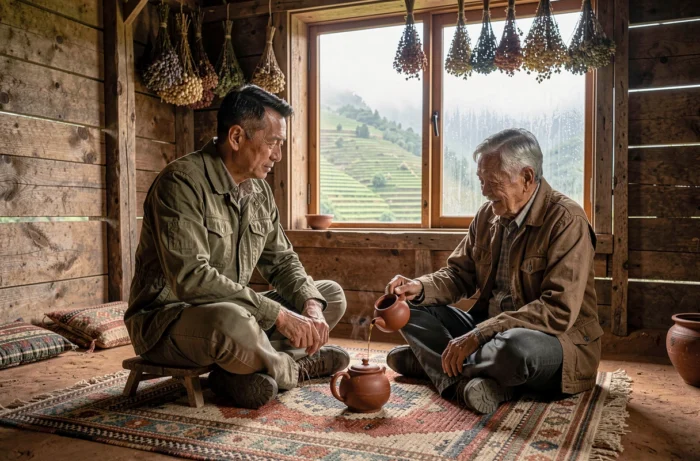
Slow travel in practice: slowing down changes what you see
Slow travel is no longer a niche trend. An increasing share of European travelers reports an interest in slow travel, indicating that the practice has far surpassed the circle of insiders.
Specifically, slowing down means staying longer in one place. Three nights in a medium-sized city allow you to spot the café where locals go, understand the market’s rhythm, and walk without a map. Two days is just skimming the surface.
Slow transport and local mobility
The use of low-carbon transport is increasing among long-haul travelers to Europe. Local buses, regional trains, rental bikes: these modes of transport are not only eco-friendly, but they expose you to situations that domestic flights or air-conditioned taxis eliminate.
- The night train between two cities avoids a hotel night and offers a journey that locals also take, with its conversations and unexpected stops
- Intercity buses in Southeast Asia or Latin America remain the most reliable way to understand the real distances of a country
- Walking in the city, without a set itinerary, remains the most effective filter to distinguish a lively neighborhood from a museum-like area
The chosen transport directly influences the nature of encounters. You don’t meet the same people in a local minibus as you do in a private transfer.
Destinations for curious travelers: three areas that reward slowness
Rather than a list of forty countries, let’s focus on three regions where the slow approach yields concrete results.
Northern Thailand off the beaten path
Chiang Mai attracts many visitors, but the neighboring provinces (Chiang Rai, Mae Hong Son, Nan) remain accessible by local transport and offer markets, temples, and mountain landscapes without the tourist density of the south. Nan, in particular, retains a small-town provincial life that Bangkok or Phuket have long lost.
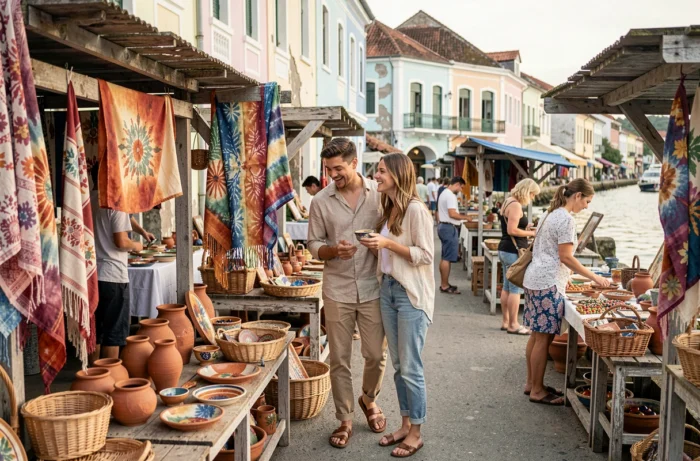
Atlantic Canada: New Brunswick and Newfoundland
Tourist Canada often means Montreal, the Rockies, or Vancouver. The Atlantic provinces offer a different experience: active fishing villages, marine wildlife observable from the coast, preserved natural landscapes. Visitor numbers remain moderate even in summer.
Feedback on Newfoundland’s weather varies, but the cultural change (language, cuisine, relationship with the sea) more than compensates for foggy days.
East Africa beyond premium safaris
Uganda or Rwanda do not typically appear on the usual lists of mainstream adventure destinations. The landscapes of hills, lakes, and dense forests provide a radically different setting from the Kenyan savannah. The cost of a stay outside of organized safaris is much lower than most travelers imagine for East Africa.
On-the-ground tips for preparing an authentic trip
Authenticity is not found in a filter category on a booking site. It is built through practical choices, often simple ones.
- Booking accommodation in a residential neighborhood rather than in the tourist area radically changes daily interactions (bakery, grocery store, park)
- Learning ten phrases in the local language opens doors that no automatic translator can truly unlock
- Planning at least two days without a schedule at each stop allows you to absorb what comes your way, instead of ticking off points of interest
- Consulting local forums or regional groups rather than international guides gives access to addresses not found on any tourist map
An authentic trip is shaped as much in the preparation as on-site. The choice of timing, transport, and pace determines what you will actually see of the country.
A provincial market in the early morning, a local bus ride between two villages, an unexpected conversation in a halting language: this is often where the memory of a place is created.