Africa welcomed around 81.3 million international visitors in 2025, making it the fastest-growing tourist region in the world according to UN Tourism data. However, the continent remains largely under-visited relative to its population: barely fifty international arrivals per 1,000 inhabitants, compared to over 180 globally. This gap reflects a considerable potential for travelers willing to venture off the beaten path.
Culinary Tourism in Africa: An Underexplored Lever
When discussing travel in Africa, safaris and beaches dominate the conversation. African cuisine remains a blind spot for most travelers, even though it is now a strategic axis for tourism development on a continental scale.
UN Tourism launched its first Regional Forum on Culinary Tourism in Zimbabwe in 2024 and then expanded it to Tanzania in 2025. The goal is clear: to make local cuisines, indigenous ingredients, and culinary traditions a significant attraction in their own right.
Several countries are investing in culinary festivals, gastronomic routes, spice farms in Zanzibar, or coffee estates in Ethiopia. These “farm-to-table” experiences allow travelers to discover a continent through its flavors, far from standardized itineraries. To explore travel offerings on the continent, a useful resource is: https://www.afnewstravel.com/.
Safari Destinations in Southern and Eastern Africa: What Makes the Difference
The word “safari” encompasses very different realities depending on the country, national park, and season. Understanding these differences allows one to choose a destination that meets their expectations rather than following a generic ranking.
Tanzania: The Serengeti and Beyond
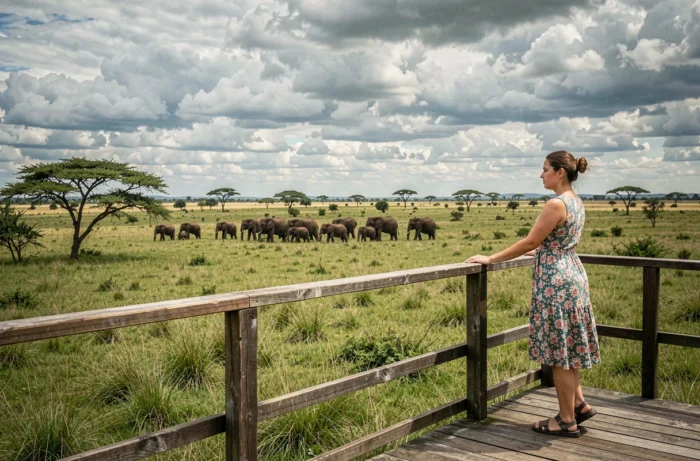
Tanzania boasts an exceptional wildlife density. Serengeti National Park hosts the great wildebeest migration, an event that shifts with the months. The dry season, from June to October, offers the best observation conditions.
The smaller Ngorongoro Crater functions as a closed ecosystem where animal concentration remains high year-round. For those seeking less crowding, the southern parks (Ruaha, Selous) are significantly less frequented.
Namibia: Desert Landscapes and Adapted Wildlife
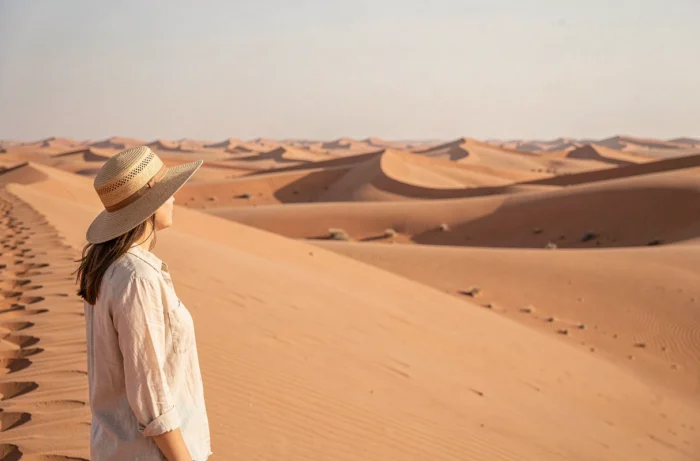
Namibia offers a radically different experience. Safaris take place in landscapes of dunes, canyons, and arid savannah. Wildlife is observed in unique lighting conditions, particularly the desert elephants in Damaraland.
The Skeleton Coast, accessible by 4×4, combines shipwrecks, seal colonies, and coastal desert. This type of “landscape” safari attracts travelers looking for more than just animal observation.
Morocco and North Africa: Cultural Journey and Landscape Diversity
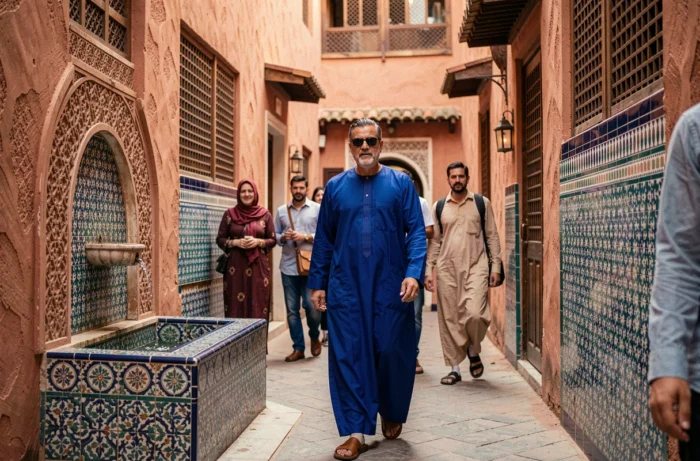
Morocco remains the most accessible gateway to the continent from Europe. Marrakech, with its medinas and souks, often serves as the starting point. The country’s appeal lies in the diversity of its landscapes over short distances.
- The Atlas Mountains offer high-altitude treks through Berber villages, with significant elevation changes suitable for intermediate hikers.
- The Sahara Desert, near Merzouga, allows for camping nights in the dunes of Erg Chebbi, an experience that justifies at least two nights on-site to escape the most crowded areas.
- The Atlantic coast, from Essaouira to Agadir, combines windy beaches, fishing ports, and seafood cuisine.
This variety makes Morocco a destination suitable for both short stays and multi-week trips, with the possibility of combining mountains, desert, and ocean in a single itinerary.
Traveling in Africa: Practical Constraints to Anticipate
Choosing a destination goes beyond landscapes or activities. Several practical parameters directly influence the quality of a trip on the continent.
Entry requirements vary significantly from country to country. South Africa, for example, has implemented an electronic travel authorization system. Other countries require a traditional visa, which can sometimes take a long time to obtain. Checking entry conditions several months before departure helps avoid unpleasant surprises.
Seasonality plays a crucial role in the experience. A safari in Botswana in April, when the Okavango Delta begins to fill, is entirely different from a visit during the dry season. The beaches of Zanzibar in July offer ideal weather, while the rainy season makes some national parks difficult to access.
- Consult monthly climate data for the targeted region, not just for the country.
- Plan a health budget (vaccinations, antimalarials) that varies by geographical area.
- Favor operators who work with local communities, a model of community tourism that is rapidly developing on the continent.
Community tourism, in fact, is gaining ground. Several initiatives in East and Southern Africa allow travelers to stay in accommodations managed by local communities, with a direct economic impact on the populations. This model complements traditional lodges and offers an immersion that standard tours do not provide.
Africa remains a continent where the diversity of experiences exceeds what a single trip can cover. A first stay in Morocco or Tanzania often opens the door to further explorations, from Namibia to Rwanda, each with its own logic of season, budget, and discovery.